
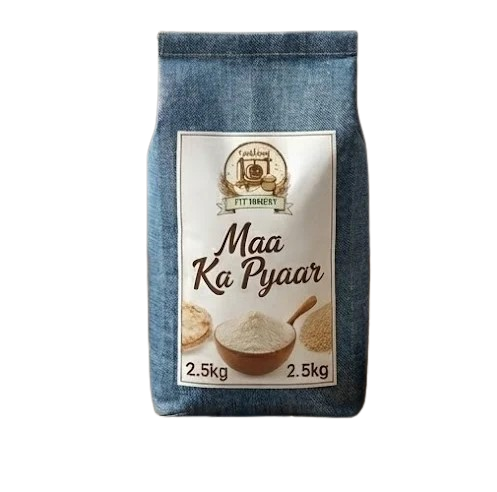
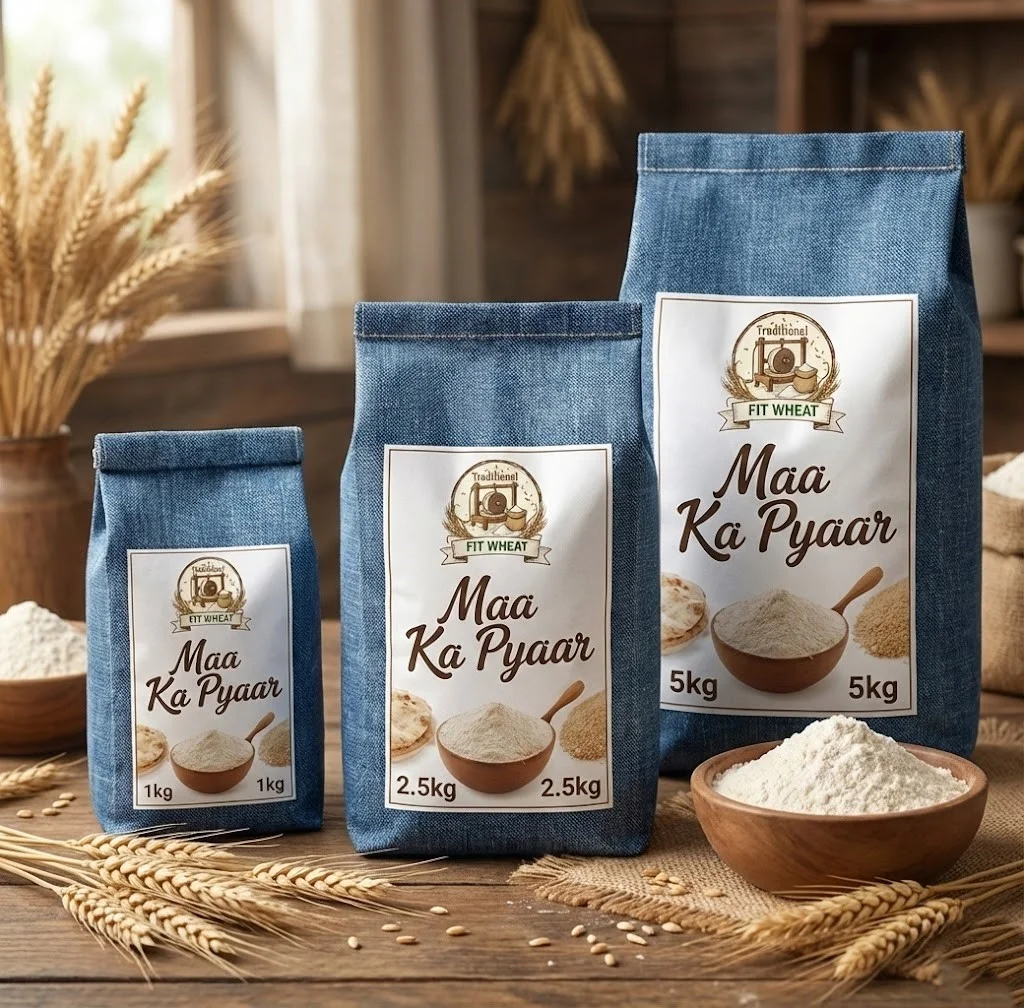
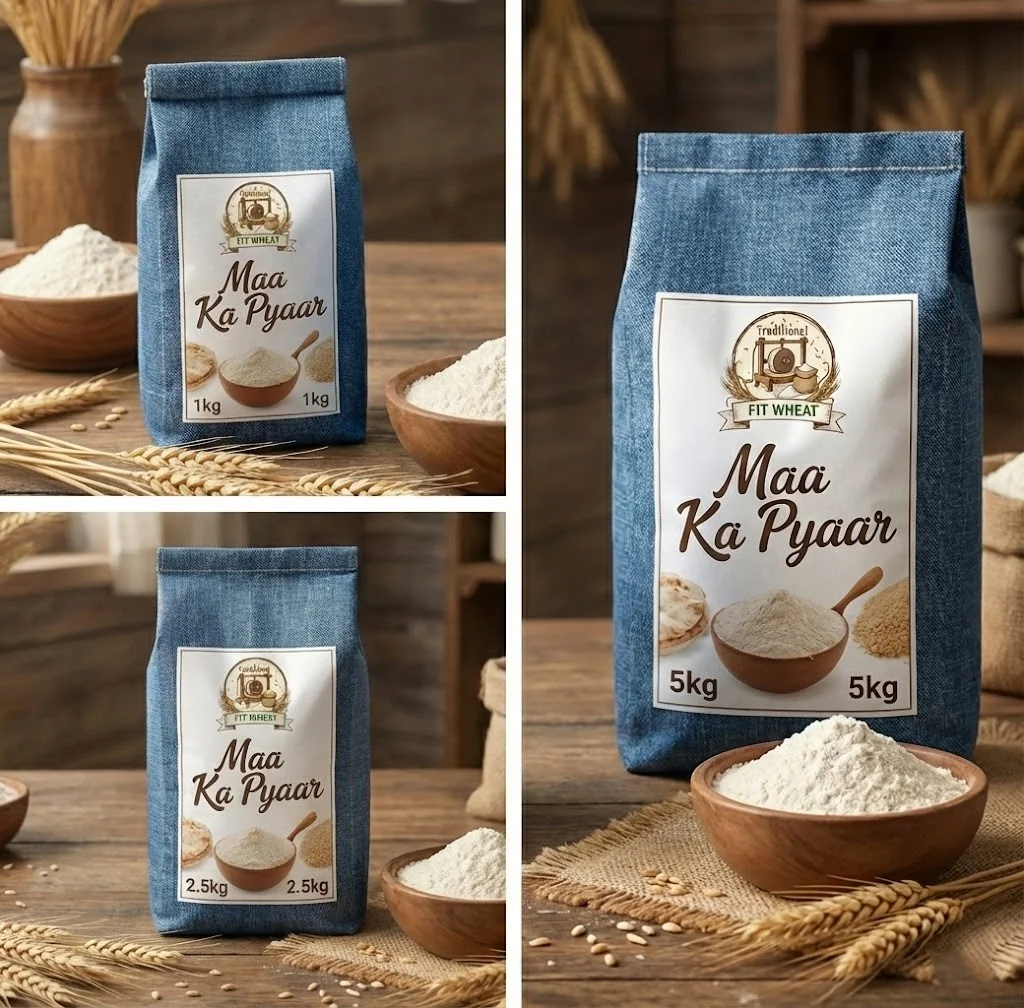
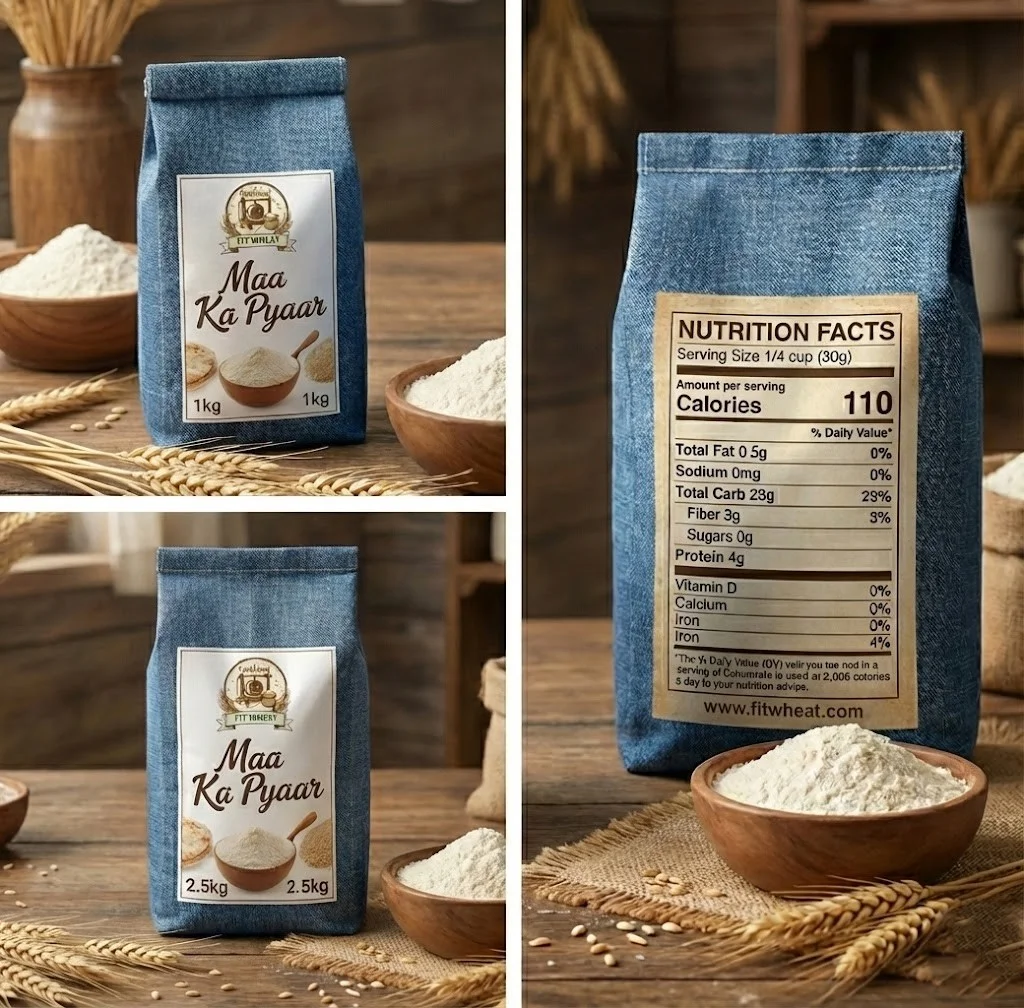


Description
What Makes Our Atta Special?
- Traditional stone grinding method for maximum nutrition
- No chemicals, no preservatives
- Natural fiber remains intact
- Hygienically processed and packed
Perfect for small families, trial use, or occasional cooking needs.
- Freshly milled
- Ideal for 1–2 days of usage
- Soft rotis with natural aroma
Order Online
We are fully equipped for online delivery, in addition to serving the local market.
Freshness from our mill to your kitchen — delivered with care.
Stone-ground wheat flour (often referred to as Chakki Atta in South Asia) is nutritionally superior to standard roller-milled flour because the grinding process preserves the entire wheat kernel—the bran, germ, and endosperm.
Because stone grinding is a slower, cooler process, it prevents the overheating that destroys sensitive vitamins and antioxidants in industrial milling.
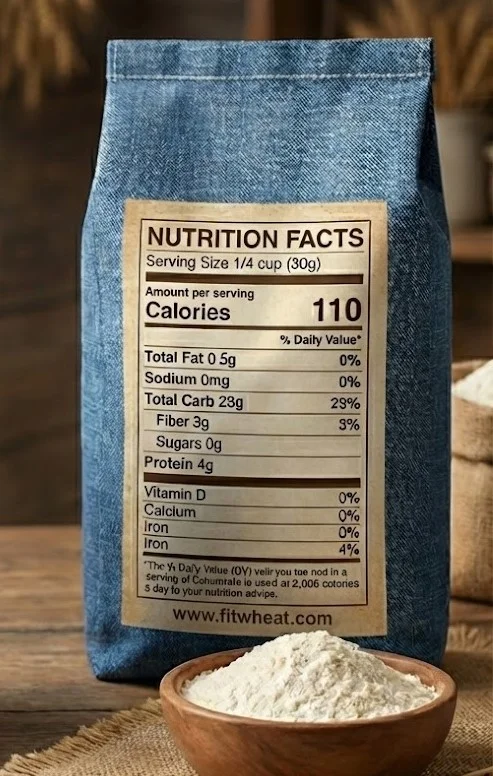
Nutritional Profile (Per 100g)
Here is the approximate nutritional breakdown of 100% whole grain stone-ground wheat flour.
| Nutrient | Amount | % Daily Value (DV)* |
| Calories | 340 kca – | |
| Protein | 13.2 g | High source of plant protein |
| Total Carbohydrates | 72 g – | |
| Dietary Fiber | 11 – 13 g | ~45% (Excellent source) |
| Total Fat | 2.5 g | Retains natural wheat germ oil |
Minerals & Vitamins
| Nutrient | Amount | % Daily Value (DV)* |
| Iron | 3.9 mg | 22% |
| Magnesium | 138 mg | 33% |
| Phosphorus | 346 mg | 28% |
| Zinc | 2.9 mg | 27% |
| Vitamin B1 (Thiamine) | 0.45 mg | 37% |
Note: Values are approximate for whole grain flour; exact numbers depend on the specific wheat variety (e.g., hard red wheat vs. soft white wheat).
| Nutrient | 1 kg | 2.5 kg | 5 kg |
| Calories | 3,400 kcal | 8,500 kcal | 17,000 kcal |
| Protein | 132 g | 330 g | 660 g |
| Total Carbohydrates | 720 g | 1,800 g | 3,600 g |
| Dietary Fiber | 120 g | 300 g | 600 g |
| Total Fat | 25 g | 62.5 g | 125 g |
|
Minerals & Vitamins |
|||
| Magnesium | 1,380 mg | 3,450 mg | 6,900 mg |
| Phosphorus | 3,460 mg | 8,650 mg | 17,300 mg |
| Iron | 39 mg | 97.5 mg | 195 mg |
| Zinc | 29 mg | 72.5 mg | 145 mg |
| Vitamin B1 (Thiamine) | 4.5 mg | 11.25 mg | 22.5 mg |
Why Stone Grinding Matters: The “Cold” Advantage
The primary nutritional difference comes from the milling temperature and extraction rate:
Low-Heat Processing: Industrial steel rollers generate high heat that can destroy heat-sensitive nutrients, such as Vitamin E and B Vitamins. Stone mills grind slowly, keeping the flour cool and preserving these nutrients.
Germ Retention: In standard milling, the wheat germ (the nutrient-rich heart of the seed) is often removed to extend shelf life because its natural oils can go rancid. Stone grinding crushes the germ into the flour, retaining healthy fats, Vitamin E, and a nuttier flavor.
Bran Retention: Stone mills grind the bran (outer layer) to a texture that remains in the flour. This maximizes fiber content, which aids digestion and regulates blood sugar.
Health Benefits
Lower Glycemic Index (GI): Because the particle size is slightly coarser and the fiber is intact, stone-ground flour is digested more slowly. This prevents rapid spikes in blood sugar compared to ultra-fine refined flours.
Heart Health: The high magnesium and fiber content contribute to better heart health and can help lower cholesterol.
Gut Health: The substantial insoluble fiber acts as a prebiotic, aiding regular bowel movements and feeding healthy gut bacteria.
Storage Tip
Because stone-ground flour retains the natural oils from the wheat germ, it is more perishable than refined white flour.
Pantry: 1–3 months (in an airtight container).
Fridge/Freezer: 6+ months (recommended to prevent the natural oils from going rancid).
Reviews
There are no reviews yet.